

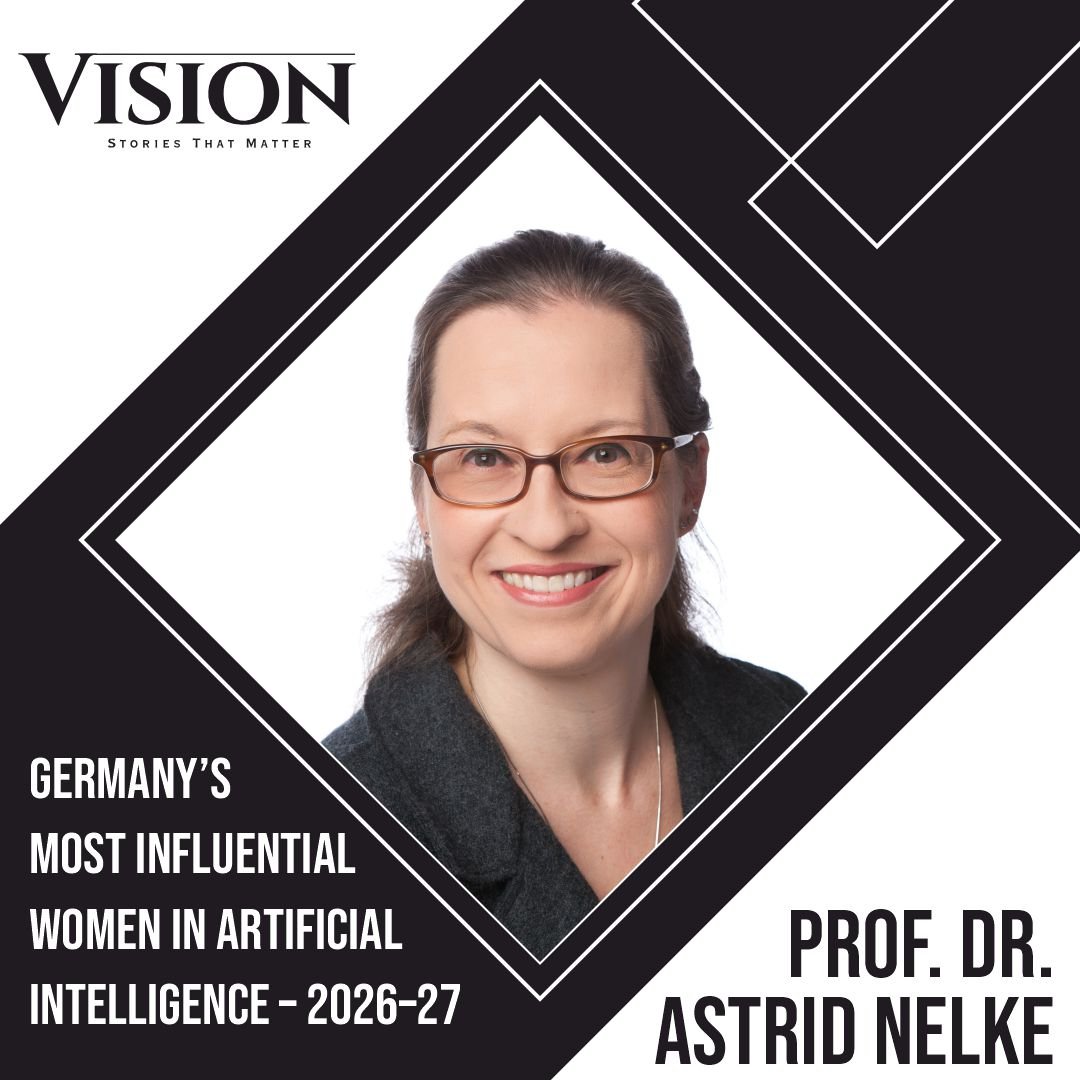
Prof. Dr. Astrid Nelke: Making Room for Humans in the Age of AI
Dr. Astrid is helping organisations embrace technological change while protecting the human capabilities, values and purpose that give work its meaning. A person can learn a new AI tool in an afternoon. Learning what that tool means for their work, their expertise and the way they see themselves can take much longer. That is where the real tension around artificial intelligence begins, in the space between what technology can do and how prepared people are to work alongside it. For Prof. Dr. Astrid Nelke, this gap became the starting point of her work with AI. Her path into artificial intelligence was not born in a computer science lab, but in the lecture hall and boardrooms where human dynamics unfold.
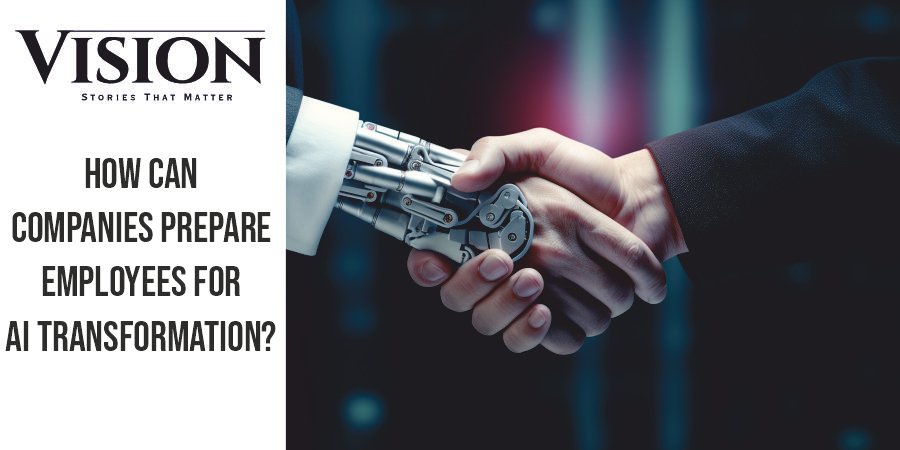
How Can Companies Prepare Employees for AI Transformation?
For a long time, healthcare has often focused on one central question: What is wrong, and how do we treat it? Holistic healing asks a slightly different question: What does the whole person need to recover? That shift is helping change the conversation around recovery, wellness and integrative medicine. Instead of looking only at symptoms or a diagnosis, holistic healing considers physical health, mental well-being, sleep, nutrition, stress, relationships, lifestyle and emotional health as interconnected parts of recovery.
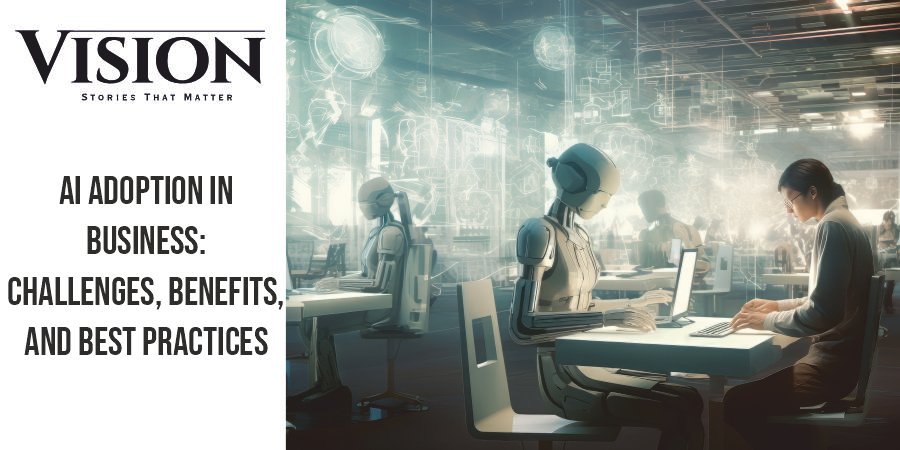
AI Adoption in Business: Challenges, Benefits, and Best Practices
Artificial intelligence has quickly moved from an emerging technology to a practical business tool. Companies across industries are using AI to automate routine work, analyse data, improve customer experiences and help employees make faster decisions. Yet adopting AI is rarely as simple as introducing a new software platform. Companies have to deal with concerns around cost, security, data quality and employee adoption while also figuring out where AI can create genuine value.