


What Makes an IT Leader Ready for the C-Suite? Barb Dossetter Has Spent Her Career Finding Out
IT leaders can spend decades becoming experts at technology, systems, and processes, only to find that the move into the executive suite demands a very different set of skills. Leading a team is one thing. Having the presence and confidence to influence an entire business is another. Barb Dossetter has seen that shift from several sides of the table. Her career began in Australia, where she studied and worked across the major IT roles of the time. Her last responsibility there was running the first ERP implementation practice in the world across Asia Pacific.
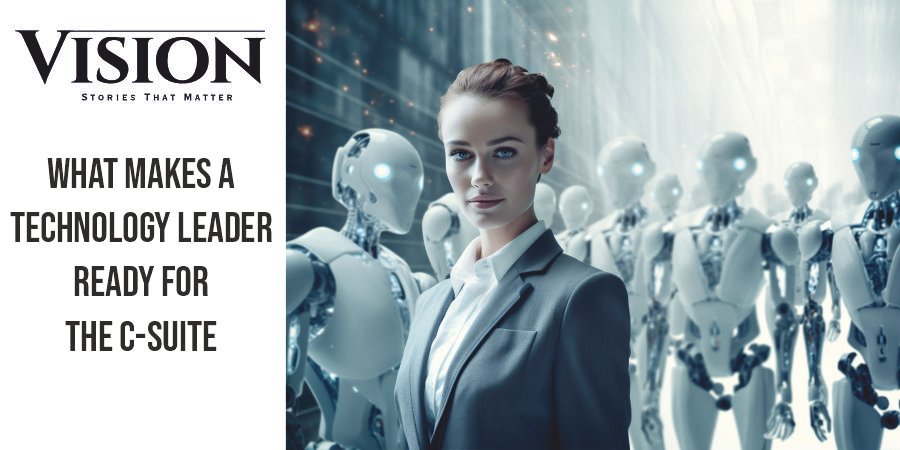
What Makes a Technology Leader Ready for the C-Suite?
For years, technology leaders could build successful careers by being the person who understood the systems, infrastructure and technical decisions that kept a business running. That is no longer enough. As technology moves closer to the center of business strategy, the path from CIO, CTO or senior technology leader to the C-suite is changing. Companies increasingly expect technology executives to understand customers, revenue, operations, risk and growth, not simply technology.
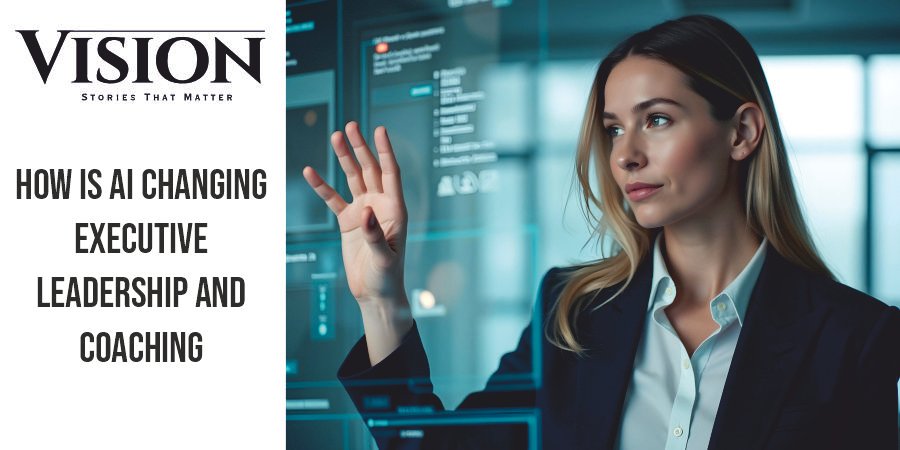
How is AI Changing Executive Leadership and Coaching?
Artificial intelligence is changing what executives do, but its biggest impact may be on something less obvious: how leaders think, learn and develop. For decades, executive coaching has largely depended on a relationship between a leader and a human coach. That relationship is still important, but AI is adding a new layer to leadership development. Executives can now use AI as a thinking partner, practice difficult conversations, examine decisions from different perspectives and receive feedback between coaching sessions.