



Katie Doan: The Career Ladder Looks Different When Joy Goes Missing
Helping executives, women, and culturally diverse leaders build careers that feel successful, fulfilling, and true to who they are! Why do so many successful professionals still feel disconnected from their work? Across industries, talented leaders are reaching senior positions while carrying exhaustion, self-doubt, and a quiet feeling that something important has slipped away. Women and culturally diverse professionals often work twice as hard to be recognised, while many executives spend years chasing goals that no longer reflect the life they want to live. Promotions arrive, titles change, salaries grow, yet fulfilment remains distant for countless people sitting inside boardrooms and corporate offices every day.

How to Know If You Need an Executive Coach
An executive coach is useful when your role has outgrown your current habits. Many leaders keep working harder when what they actually need is clearer thinking, sharper decisions, and better self-management. That is where coaching helps. The need for an executive coach rarely shows up as one dramatic failure. It shows up in slower ways: a team that depends too much on you, decisions that take too long, constant pressure that leaves you flat, or a sense that your career has stalled even though your title has grown. If you are asking whether coaching is worth it, the answer usually comes down to this: are you trying to solve a skill gap, a performance gap, or a leadership gap? An executive coach is most useful for the third one.
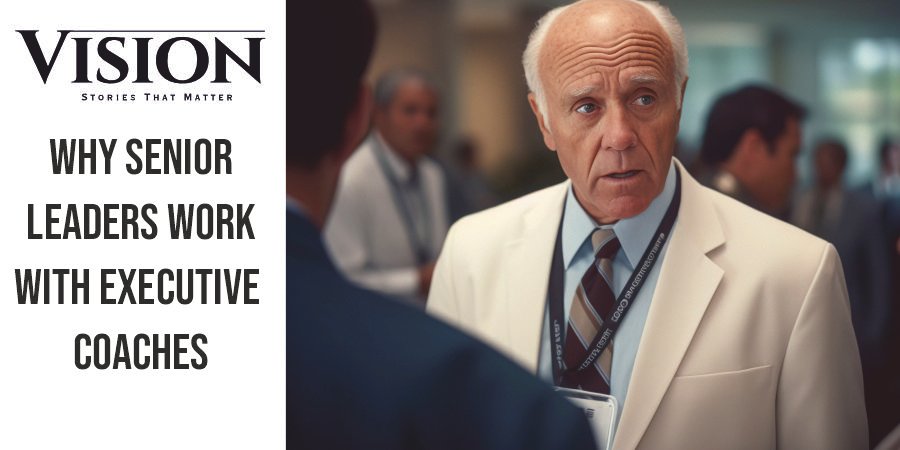
Why Senior Leaders Work With Executive Coaches
Senior leaders work with executive coaches because the higher they rise, the fewer honest conversations they get. A coach gives them space to think clearly, test decisions, and see blind spots before those blind spots become expensive mistakes. At senior level, skill alone is rarely the issue. Most leaders already know how to run meetings, manage teams, and deliver results. The harder work is different. It involves judgment, presence, pressure, conflict, and change. Executive coaching helps leaders handle that pressure without losing clarity or control.