


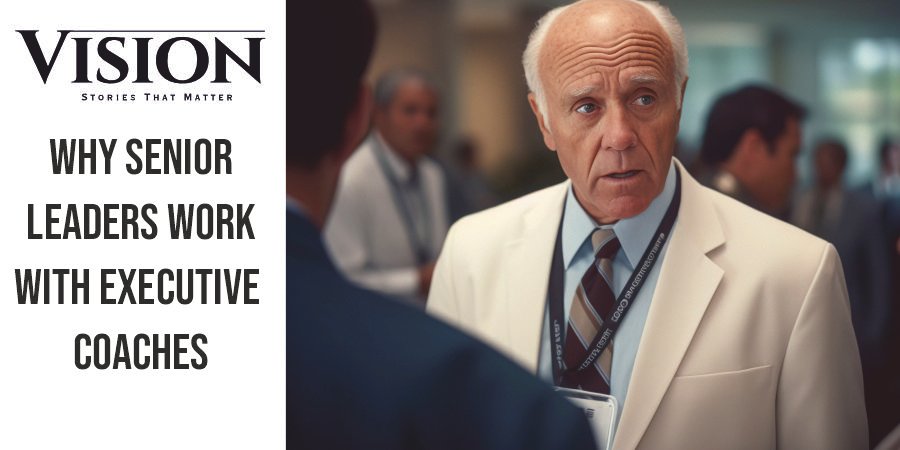
Senior leaders work with executive coaches because the higher they rise, the fewer honest conversations they get. A coach gives them space to think clearly, test decisions, and see blind spots before those blind spots become expensive mistakes.
At senior level, skill alone is rarely the issue. Most leaders already know how to run meetings, manage teams, and deliver results. The harder work is different. It involves judgment, presence, pressure, conflict, and change. Executive coaching helps leaders handle that pressure without losing clarity or control.
What Executive Coaching Gives Senior Leaders?
Executive coaching is a private, structured conversation focused on performance and leadership. It helps leaders step back from daily noise and look at the bigger picture.
Senior leaders use coaches to:
- sharpen decision-making
- improve communication
- manage complex teams
- handle conflict with more control
- build influence across the organization
- prepare for bigger roles
- stay grounded during change
The value is practical. A coach helps a leader slow down long enough to think better.
The Higher the Role, the Fewer Honest Mirrors
At senior level, people often agree too quickly. Direct feedback becomes rare. Team members may filter their opinions. Peers may avoid tension. Boards may focus on results, not the human cost behind them.
That leaves a gap.
Executive coaches fill that gap by giving leaders direct, unbiased feedback. They hear what others may hesitate to say. They ask harder questions. They spot patterns in behavior, language, and decision-making that leaders miss when they are inside the problem.
That matters because many leadership problems are invisible to the person creating them.
Leadership Pressure Changes the Job
A manager can often succeed through effort and expertise. A senior leader needs something else: calm under pressure.
The job becomes more complex because the stakes are higher. One decision can affect teams, revenue, reputation, and culture. Leaders are expected to stay composed while dealing with layoffs, growth targets, board demands, and constant change.
Executive coaching helps leaders manage that load. It creates a space to work through pressure before it spills into poor decisions, weak communication, or burnout.
A coach also helps leaders separate urgency from importance. That skill saves time, energy, and reputation.
Executive Coaching Improves Decision-making
Senior leaders make decisions with incomplete information. They rarely get perfect answers. They have to judge timing, people, risk, and trade-offs.
A coach helps by asking questions that expose assumptions:
- What are you treating as true without checking it?
- What are you avoiding?
- What is the cost of moving too fast?
- What happens if this decision fails?
These questions sound simple. They are useful because they force clarity.
Better decisions usually come from better thinking, and coaching strengthens that thinking process.
It Helps Leaders Lead People, Not Just Manage Results
At senior level, technical ability matters less than leadership behavior. People watch what a leader does in difficult moments. They notice tone, consistency, fairness, and follow-through.
Executive coaches help leaders improve how they show up. That may mean:
- listening more carefully
- speaking with more clarity
- giving direct feedback without causing damage
- handling conflict without avoidance
- building trust across functions
These are small shifts with large consequences. A leader who communicates clearly can move a team faster than one who relies on authority alone.
Coaching Supports Transitions
Executive coaching is common during transitions because transitions reveal weaknesses.
A leader may need support when they:
- move into a bigger role
- inherit a new team
- join a new company
- face a crisis
- prepare for board-level responsibility
- return after a setback
Even strong leaders can feel unsteady in a new environment. Coaching shortens that adjustment period. It helps leaders learn what the role actually demands, instead of relying on habits from the last role.
It Prevents Isolation
Senior leadership can be lonely. The higher the title, the fewer people a leader can speak to freely. Every conversation may carry political weight. Every opinion may affect relationships.
That isolation can lead to poor judgment. It can also create emotional distance. Leaders may start making decisions in a vacuum.
A coach gives leaders one place where they can speak plainly. That honesty matters. It helps them stay self-aware, which is one of the strongest predictors of leadership effectiveness.
Coaching is also About Performance, Not Only Reflection
Some people think executive coaching is only for personal insight. It is also a performance tool.
Leaders work with coaches to improve measurable outcomes:
- stronger team engagement
- better retention
- faster alignment
- clearer priorities
- stronger executive presence
- more consistent execution
That is why many organizations invest in coaching for high-potential leaders and top executives. The return shows up in behavior, culture, and business results.
What Makes Executive Coaching Effective
Coaching works when the leader is open, specific, and willing to act. A good coach does more than offer encouragement. They challenge weak thinking, track progress, and hold the leader accountable.
The best coaching is tied to real business goals. It is grounded in actual behavior, current problems, and visible change.
A leader should leave coaching with better answers to questions like:
- What kind of leader am I becoming?
- Where am I creating friction?
- What do my team and organization need from me now?
- What must change in my behavior for the next level?
Conclusion
Senior leaders work with executive coaches because leadership at the top is demanding, lonely, and unforgiving. A coach brings clarity, challenge, and perspective. That combination helps leaders make better decisions, build stronger teams, and lead with more confidence.
At the highest level, the job is no longer just about knowing more. It is about seeing more, hearing more, and choosing better. That is where executive coaching earns its place.