
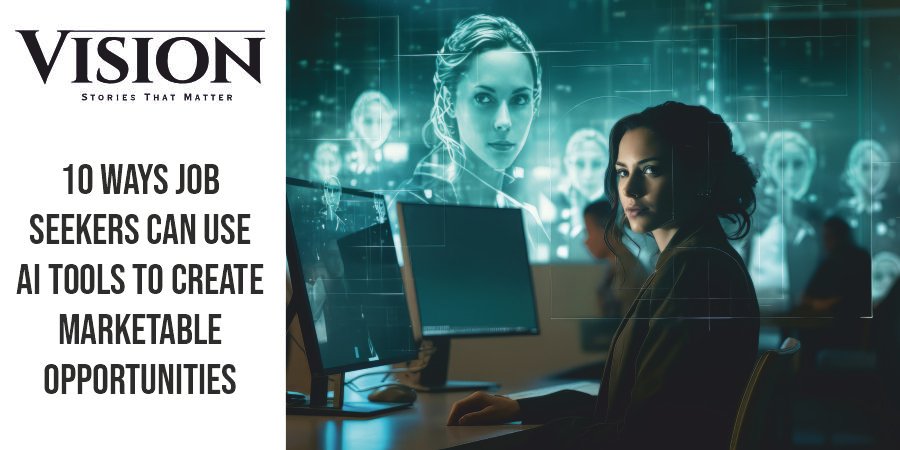
The modern job search no longer looks like it did five years ago. Sending the same résumé to 200 companies and hoping for a response has become one of the least effective strategies in the market. Employers now use AI to screen applications, rank candidates, analyze skills, and even conduct interviews. At the same time, job seekers are using AI to compete smarter, move faster, and create opportunities that did not exist before.
This shift matters because hiring has become crowded and automated. Some reports estimate that more than 80% of companies now use AI-assisted hiring systems in some part of recruitment.
The people getting noticed are not simply applying for jobs anymore. They are packaging their skills differently, building visibility online, and using AI to position themselves as problem-solvers instead of applicants.
Here are 10 practical ways job seekers can use AI tools to create real marketable opportunities in today’s competitive job market.
1. Build a Resume That Matches AI Hiring Systems
Many résumés never reach a recruiter because Applicant Tracking Systems filter them out first. AI résumé tools can help candidates optimize formatting, keyword relevance, and job-specific language so applications survive automated screening.
This does not mean stuffing résumés with robotic keywords. Strong AI-assisted resumes sound natural while aligning with the exact skills and terminology employers are searching for.
Tools like ChatGPT, Resume.io, and Jobscan help candidates tailor each resume for specific roles instead of sending generic applications everywhere.
The important part is human editing. Recruiters increasingly recognize copy-paste AI content. The candidates who stand out use AI for structure and clarity while keeping their own voice and accomplishments intact.
2. Turn Existing Skills Into Freelance Services
One of the biggest mistakes job seekers make is waiting for permission from employers before monetizing their skills.
AI tools now make it easier to package skills into freelance offers, consulting services, digital products, or side businesses. A marketing professional can use AI to create social media packages for small businesses. A teacher can build digital courses. A designer can create branding kits faster.
Instead of saying “I’m unemployed,” candidates can position themselves as active professionals building real-world experience.
That changes how recruiters perceive them.
3. Create a Strong LinkedIn Presence Without Spending Hours Writing
LinkedIn has become one of the most important discovery platforms for recruiters. Yet many professionals leave their profiles outdated because writing about themselves feels uncomfortable.
AI writing assistants can help job seekers create stronger headlines, summaries, experience descriptions, and thought leadership posts.
A software engineer can ask AI to turn technical project details into business-focused achievements. A project manager can transform routine tasks into measurable impact statements.
Consistency matters more than perfection. Candidates who post insights, lessons, or industry observations regularly often attract opportunities before they even apply.
4. Use AI to Identify Hidden Career Paths
Many professionals limit themselves to job titles they already know.
AI career exploration tools can analyze transferable skills and suggest industries, roles, and career paths candidates may never have considered. Someone with hospitality experience may transition into customer success. A teacher may fit corporate training or instructional design roles.
Google’s AI career tools and other career-matching platforms increasingly help users connect existing experience to emerging industries.
This matters in a labor market where adaptability often beats specialization.
5. Practice Interviews With AI Simulations
Interview anxiety destroys opportunities for many qualified candidates.
AI interview simulators now allow job seekers to practice behavioral interviews, technical questions, case studies, and salary negotiations repeatedly without embarrassment or pressure.
Some platforms provide feedback on pacing, clarity, filler words, confidence, and response structure. Even major firms are adopting AI-powered mock interview systems for candidate preparation.
The goal is not memorized answers. Strong interview performance comes from learning how to organize thoughts clearly under pressure.
6. Create Personalized Outreach Messages at Scale
Networking still matters more than mass applications. Career experts increasingly emphasize relationship-building as the real advantage in modern hiring.
AI tools can help candidates draft personalized outreach messages for recruiters, alumni, hiring managers, and industry professionals without sounding generic.
Instead of sending cold messages like “Are there openings at your company?” candidates can reference specific projects, industry trends, or shared experiences.
That small difference dramatically increases response rates.
7. Build a Portfolio Faster
Many employers now care more about proof of work than credentials alone.
AI helps job seekers create portfolios quickly by organizing case studies, designing presentations, improving writing quality, generating visuals, and structuring project documentation.
Writers can create content portfolios. Analysts can build dashboards. Developers can document side projects more professionally. Marketing candidates can showcase campaign ideas even without agency experience.
A visible body of work often speaks louder than a résumé.
8. Research Companies More Deeply Before Applying
Most candidates apply blindly. Recruiters notice immediately.
AI research tools can summarize company news, financial performance, leadership priorities, hiring trends, and competitive positioning within minutes.
That knowledge helps candidates tailor applications and interview responses intelligently. It also helps them avoid wasting time on companies with poor reputations, unstable hiring patterns, or fake job postings, which have become increasingly common online.
9. Use AI to Create Personal Branding Content
Employers increasingly search candidates online before scheduling interviews.
AI tools can help professionals create blogs, newsletters, portfolio websites, podcasts, video scripts, or industry commentary that positions them as informed professionals.
Someone applying for cybersecurity roles can publish simplified breakdowns of security trends. A finance candidate can write about market developments. A healthcare professional can discuss patient communication challenges.
Personal branding creates discoverability. It turns passive candidates into visible experts.
10. Automate Repetitive Job Search Tasks
Job searching often becomes emotionally exhausting because of repetitive administrative work.
AI tools now automate application tracking, follow-ups, scheduling, résumé tailoring, and job matching. Some platforms even identify relevant networking connections automatically.
That saves time for the activities that still require human effort: networking, storytelling, strategic thinking, and relationship-building.
The strongest candidates are not replacing themselves with AI. They are removing low-value busywork so they can focus on high-value visibility.
Conclusion
AI is changing hiring from both sides. Companies use it to filter candidates faster, while job seekers use it to compete more strategically. The difference between getting ignored and getting noticed increasingly comes down to how effectively candidates position themselves.
The smartest professionals are no longer treating AI as a shortcut.
They are treating it as leverage.
And in a market crowded with identical applications, leverage is often what creates opportunity.